

Logistics ensures that fuel is available across Nigeria. Even when petroleum products are refined or imported, they cannot reach consumers without an effective logistics system. Fuel supply depends not only on production but also on how well products are transported, stored, and delivered to different locations. In a country as large and diverse as Nigeria, logistics is one of the most important factors influencing fuel availability.
Fuel logistics begins at storage depots where petroleum products are kept after refining or importation. These depots serve as supply points for different regions. From these locations, fuel must be transported to filling stations, industries, and bulk consumers. Planning routes, delivery schedules, and storage levels is essential to ensure that fuel reaches its destination on time and in the correct quantity.

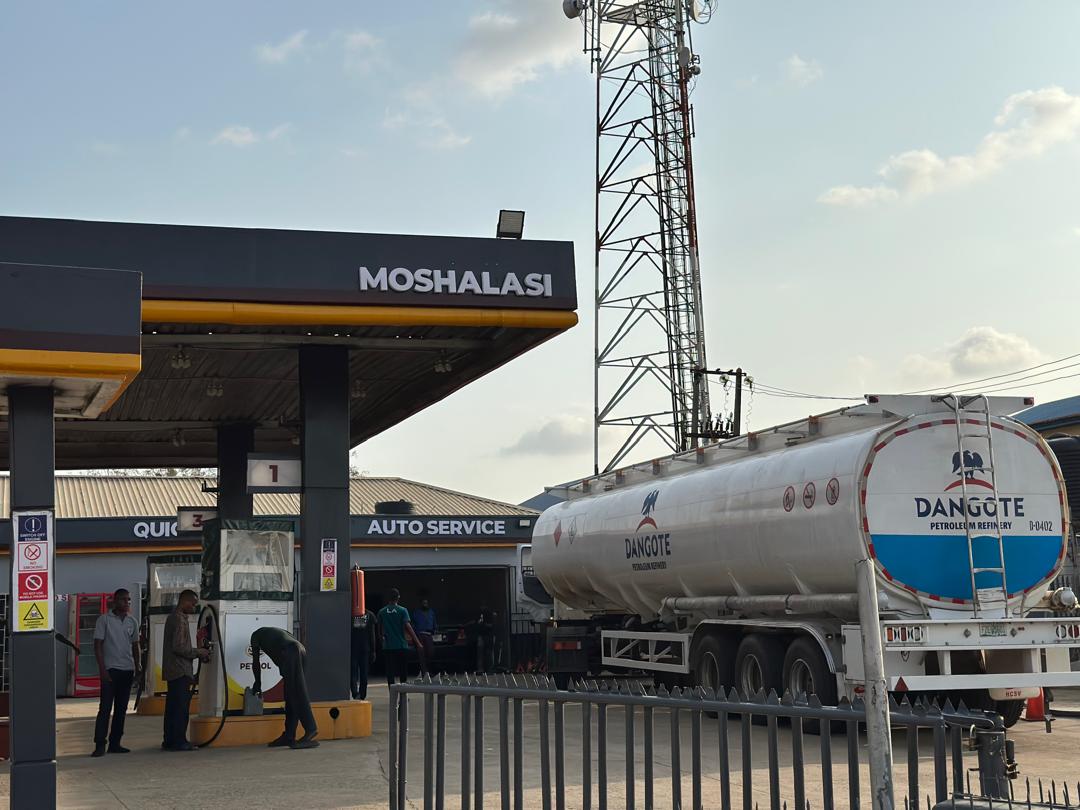
Transportation is the most visible part of fuel logistics in Nigeria. Petroleum products are mainly moved by tanker trucks that travel long distances across states and regions. These trucks supply urban centres, rural communities, and industrial zones. Because Nigeria relies heavily on road transportation for fuel distribution, the condition of roads, traffic flow, and security along major routes all affect the smoothness of fuel delivery.
Poor road conditions can delay fuel deliveries and increase transportation costs. When tanker trucks spend more time on the road due to bad roads or congestion, fuel supply becomes slower and more expensive. These challenges can lead to shortages in some areas and higher operating costs for fuel marketers. This is why efficient route planning and proper vehicle maintenance are important parts of fuel logistics.
Safety is another critical aspect of petroleum logistics. Fuel transportation involves risks such as accidents, spillages, and fire hazards. Logistics operators must follow strict safety standards to protect lives, property, and the environment. Drivers require proper training, vehicles must be well-maintained, and safety procedures must be followed at all stages of transportation. When safety is taken seriously, fuel distribution becomes more reliable, and incidents are reduced.
Storage and handling also affect fuel supply. Proper storage facilities help maintain fuel quality and prevent contamination. Fuel must be stored under suitable conditions to ensure it remains safe for use. Poor handling or inadequate storage can lead to product loss and quality issues, affecting consumers and damaging trust in fuel suppliers.
Logistics also helps manage fuel demand across different regions. Some areas experience higher fuel consumption due to population size, industrial activity, or transportation needs. Logistics planning helps ensure that these areas receive adequate supply without neglecting regions with lower demand. This balance is important for maintaining nationwide fuel availability and preventing uneven distribution.
In addition, logistics support emergency fuel supply during periods of high demand or disruption. During festive seasons, industrial shutdowns, or supply challenges, fuel demand can increase suddenly. A well-organised logistics system allows suppliers to respond quickly by increasing deliveries and adjusting supply routes. This flexibility helps reduce the impact of shortages and stabilises the market.
The role of logistics in fuel supply also extends to cost management. Transportation, storage, and handling all contribute to the final cost of fuel. Efficient logistics helps reduce unnecessary expenses and improves overall supply efficiency. When logistics operations are poorly managed, costs increase and these costs are often passed on to consumers.
Fuel logistics also creates employment opportunities across Nigeria. Jobs are available in driving, fleet management, safety supervision, depot operations, administration, and maintenance. These roles support not only the energy sector but also local economies along major fuel supply routes.

Regulation and oversight are important in fuel logistics. Authorities set rules to ensure petroleum products are transported safely and sold in accordance with approved standards. Compliance with these regulations helps maintain order within the supply chain and protects consumers from unsafe practices.
In recent years, advances in logistics planning, technology, and infrastructure have improved fuel distribution in some areas. Better tracking systems, improved depot management, and stronger safety practices have contributed to a more reliable fuel supply. However, continuous investment in logistics infrastructure remains necessary to support Nigeria’s growing energy needs.
The role of logistics in fuel supply across Nigeria cannot be overstated. It connects refineries and depots to consumers, ensuring that fuel reaches every part of the country. When logistics systems are efficient, fuel supply becomes stable, costs are better managed, and economic activities continue smoothly. Strengthening logistics operations remains essential for improving fuel availability and supporting national development.